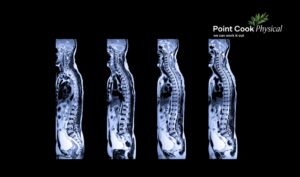

Do you ever find yourself wincing in pain after a long day at work, wondering if it’s just part of the job? Are those persistent neck strains or lower back aches becoming a troubling companion during your daily routine?
In today’s fast-paced work environment, many spend long hours glued to their desks, hunched over computers, or performing repetitive physical tasks. This can lead to a variety of work-related musculoskeletal disorders, becoming an all-too-familiar scenario for millions of employees around the world. Chronic aches and pains not only affect productivity but can also diminish your quality of life.
Luckily, physiotherapy at Point Cook offers a beacon of hope. With its holistic approach to treatment, physiotherapy can play a crucial role in alleviating work-related discomforts, enhancing your physical function, and preventing future injuries. From tailored exercise programs to manual therapy techniques, physiotherapy provides a versatile toolkit to address and manage pain effectively.
Common work-related aches and pains
1. Back pain (especially lower back and neck pain)
Causes
- Prolonged sitting or standing in poor postures.
- Heavy lifting, carrying, pushing, or pulling with improper technique.
- Awkward postures, including bending and twisting the trunk.
- Lack of movement and frequent breaks.
- Vibration (e.g., from driving heavy vehicles).
Conditions
- Muscle strains, herniated discs, pinched nerves, sciatica.
2. Shoulder pain
Causes
- Repetitive overhead motions (e.g., painting, stocking shelves).
- Pushing, pulling, carrying, or lifting heavy objects.
- Working with hands above the head.
- Using heavy machinery or power tools.
Conditions
- Rotator cuff injuries, muscle strains, joint inflammation, and bursitis.
3. Wrist and hand pain
Causes
- Frequent and repetitive hand/wrist movements (e.g., typing, using a mouse, assembly line work, hairdressing, cooking).
- Awkward hand positions.
- Strong gripping.
Conditions
- Carpal tunnel syndrome (compression of the median nerve), tendinitis, tenosynovitis, and trigger finger.
4. Elbow pain
Causes
- Repetitive or forceful rotation of the forearm and bending of the wrist.
- Overuse of forearm muscles.
Conditions
- Epicondylitis (tennis elbow or golfer’s elbow).
5. Knee pain
Causes
- Prolonged kneeling (e.g., carpet installation).
- Constant bending.
- Heavy lifting and twisting motions.
- Standing or walking for long periods.
Conditions
- Tendinitis, bursitis, meniscus tears, ligament injuries, osteoarthritis.
6. Ankle and foot pain
Causes
- Prolonged standing or walking.
- Repetitive impact.
- Accidents and falls.
Conditions
- Plantar fasciitis, muscle strains.
The role of physiotherapy for work-related aches and pains
1. Pain management and reduction
- Manual therapy: Physiotherapists use hands-on techniques like soft tissue massage, joint mobilisation, and trigger point release to reduce muscle tightness, improve joint mobility, and promote tissue healing, directly alleviating pain.
- Therapeutic exercises: Specific exercises are prescribed to strengthen weak muscles and stretch tight ones, which helps to rebalance the body and reduce strain on painful areas.
2. Addressing the root cause
- Posture correction: Physiotherapists assess your posture during work activities and identify imbalances contributing to pain. They then guide you on how to achieve and maintain correct posture, reducing strain on your spine, neck, and shoulders.
- Ergonomic assessment and advice: A key aspect of physiotherapy for work-related pain is assessing your workstation setup. Physiotherapists can recommend adjustments to your chair, desk, monitor, keyboard, and mouse to optimise your ergonomic environment, minimising physical stress and promoting neutral body alignment.
- Body mechanics education: They teach you proper body mechanics for tasks specific to your job, such as safe lifting techniques, correct reaching, and efficient movement patterns, to prevent injury and reduce strain during daily work.
3. Improving function and mobility
- Strengthening and flexibility: Tailored exercise programs improve muscle strength, flexibility, and overall body mechanics. This not only helps with pain but also enhances your ability to perform job duties more comfortably and effectively.
- Restoring range of motion: Through exercises and manual techniques, physiotherapists help you regain full range of motion in stiff or injured joints, allowing for smoother and pain-free movement.
- Functional rehabilitation: They design programs that mimic work-related activities, helping you build specific strength and endurance needed for your job, and facilitating a safe and confident return to work.
4. Prevention of future issues
- Education and self-management: Physiotherapists empower you with knowledge about your condition, strategies for injury prevention, and self-management techniques (like regular stretching, strengthening exercises, and mindful movement breaks) that you can incorporate into your daily routine.
- Activity modification: They help you identify and modify activities or habits that may be contributing to your pain, both at work and in your personal life.
- Building resilience: By improving overall physical fitness, strength, and body awareness, physiotherapy helps your body become more resilient to the stresses of work, reducing the likelihood of recurring aches and pains.

Final thoughts
Physiotherapy goes beyond simply treating symptoms. It takes a holistic approach, considering your unique work environment, habits, and physical needs to provide a personalised plan that alleviates pain, restores function, and equips you with the tools to maintain a healthier, pain-free working life.