Have you ever kicked off your shoes at the end of a long day and sighed in relief, only to realise your feet are aching more than they should? Whether you’re a busy worker on your feet all day, an active walker, or someone who simply loves their sneakers or sandals, the shoes you wear can have a big impact on your overall foot health.
In this blog, we’ll explore how your choice of footwear can affect not only your feet but also your posture, movement patterns, and even your risk of injury. We’ll also discuss how podiatry can support your foot wellbeing and guide you in making smarter footwear choices.
Common Foot Conditions Linked to Poor Footwear
Wearing unsupportive or ill-fitting shoes doesn’t just cause discomfort; it can lead to persistent pain and foot problems over time. Some of the most common issues linked to poor footwear include:
- Plantar fasciitis – This condition causes pain in the heel and arch due to strain on the plantar fascia, a ligament along the sole. It’s often aggravated by flat shoes or worn-out soles with minimal arch support.
Read more from Healthdirect - Bunions and corns – Tight shoes or narrow toe boxes can create pressure on the toes, contributing to bony deformities and thickened skin.
More on foot problems – BetterHealth Victoria - Arch pain and heel strain – Footwear that lacks proper cushioning or structure can stress the soft tissues that support your foot’s arches and heels.
- Blisters and calluses – These can result from friction and pressure caused by a poor fit, leading to long-term skin and soft tissue irritation.
These conditions often develop gradually. If unaddressed, they can affect your mobility, mood, and quality of life.
How Footwear Affects More Than Just Your Feet
Your feet are the foundation of your body, and when they’re unsupported, it can cause ripple effects elsewhere. Poor footwear can lead to:
- Postural misalignment – Shoes that alter your natural gait (like unsupportive flats or high heels) can change how your body absorbs weight and balance, placing strain on your knees, hips and lower back.
- Altered walking patterns (gait) – This can impact how you distribute force with every step, increasing your risk of overuse injuries.
- Increased risk of falls – Especially in older adults, poorly fitted or unstable footwear can affect balance and reaction time.
Learn about the importance of supportive shoes – BetterHealth Victoria
What to Look for in Supportive Shoes
So, what exactly makes a shoe “supportive”? According to Australian health experts, it’s less about brand and more about structure. Look for:
- Proper fit – Measure both length and width of your foot. Sizes can vary between brands and foot shapes.
- Good arch support – This helps maintain the foot’s natural alignment and reduces strain on ligaments.
- A firm heel counter – Keeps your heel stable and improves overall foot control.
- Shock-absorbing soles – These help distribute impact and reduce stress on your joints.
- Adjustable closures – Such as laces or velcro, to allow a snug, secure fit that can be modified as needed.
- Activity-specific design – Walking, running, work or safety shoes should suit their purpose.
Choosing the right shoe – BetterHealth Victoria
How Podiatry Can Help with Foot Pain
When foot pain lingers despite good footwear, a podiatrist can provide insights and strategies to help address the root cause.
At Point Cook Physical, our podiatrist can assist with:
- Biomechanical assessments – To evaluate gait, foot posture and alignment issues.
- Targeted exercise programs – To strengthen foot muscles, correct imbalances and improve stability.
- Manual therapy – To release tension and improve joint movement.
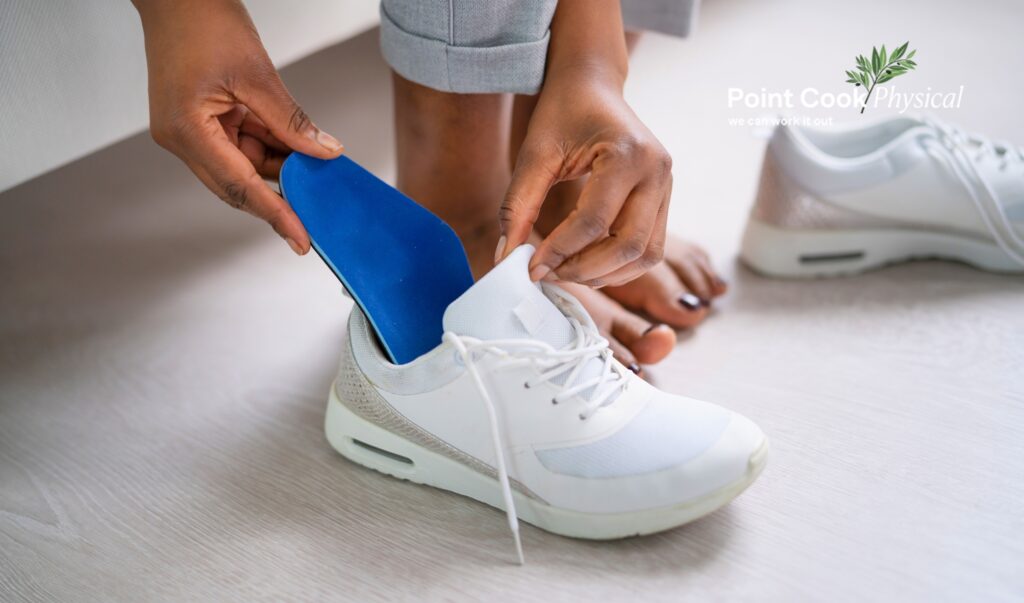
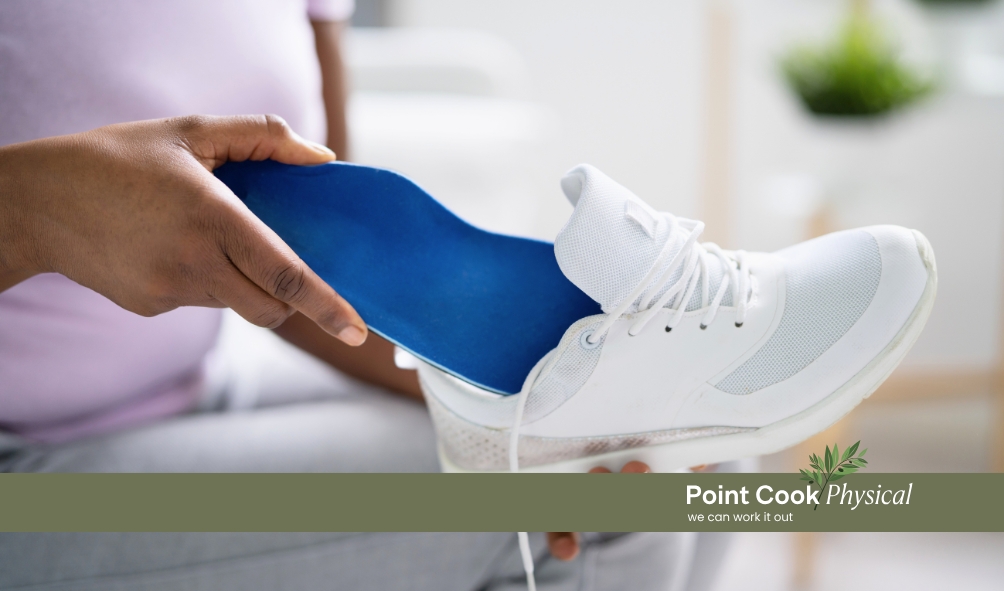
- Education and footwear guidance – Including what to look for in supportive shoes and when to seek orthotics.
- Specialised foot care – If orthotic fitting is needed
More on foot care from HealthDirect
Frequently Asked Questions
Can the wrong shoes really cause long-term damage?
Yes. Shoes that don’t provide adequate support can lead to chronic conditions like plantar fasciitis, knee strain, or lower back pain over time.
How do I know if my shoes are contributing to foot pain?
If your pain worsens after wearing certain shoes or at the end of the day, your footwear may be contributing. Look for signs of wear, lack of arch support, or poor fit.
Are flat shoes or high heels worse for foot health?
Both can be problematic. High heels alter your posture, while flat shoes often lack essential support. A balanced, supportive shoe is usually best.
Do I need orthotics or just better shoes?
In many cases, a well-designed shoe is enough. If pain persists, a podiatrist can assess whether custom orthotics are appropriate.
Final Thoughts
Your footwear choices aren’t just about style, they directly influence your comfort, posture and mobility. If you’re experiencing foot pain, recurring injuries or postural discomfort, it might be time to take a closer look at what’s on your feet.
At Point Cook Physical, we understand how closely foot health is linked to overall wellbeing. Our podiatrists can assess your foot function, guide you on the right footwear, and help you get back to moving with confidence.
Book an appointment today to take the first step toward better foot health.