
Stress is a normal part of life. Work deadlines, family commitments, financial pressures, and even trying to stay healthy can all add up. While short bursts of stress can sometimes be helpful, ongoing or unmanaged stress can begin to affect both your physical and mental health.
Many people don’t realise just how closely stress is linked to muscle tension, pain, fatigue, and reduced physical performance. The good news is that there are effective, evidence-based stress management techniques that can help you feel more in control and support your overall well-being.
In this article, we explore practical stress management strategies you can start using today, as well as how allied health services, such as those offered at Point Cook Physical, can play a role in managing stress-related symptoms.
Understanding Stress
Stress is the body’s natural response to perceived challenges or demands. When you feel stressed, your nervous system activates the “fight or flight” response, releasing hormones such as cortisol and adrenaline.
In small doses, this response can improve focus and reaction time. However, when stress becomes ongoing, it can place strain on the body and mind.
Chronic stress has been linked to:
- Muscle tightness and pain, particularly in the neck, shoulders, and lower back
- Headaches and jaw tension
- Poor sleep quality
- Fatigue and reduced motivation
- Increased risk of injury during exercise or daily activities
Understanding how stress affects your body is an important first step toward managing it effectively.
Why Managing Stress Matters
Unmanaged stress doesn’t just affect how you feel emotionally, it can also influence how your body functions.
Physical effects
Prolonged muscle tension can limit mobility, alter posture, and contribute to ongoing pain. Stress may also impact breathing patterns, leading to shallow breathing and reduced oxygen delivery to muscles.
Mental and emotional effects
Stress can increase feelings of anxiety, irritability, and difficulty concentrating, making it harder to stay consistent with healthy routines.
Performance and recovery
High stress levels can slow physical recovery, reduce exercise tolerance, and make it harder to maintain motivation for movement and rehabilitation.
Addressing stress early can help protect both your physical health and overall quality of life.
Practical Stress Management Techniques You Can Start Today
1. Breathing and Relaxation Techniques
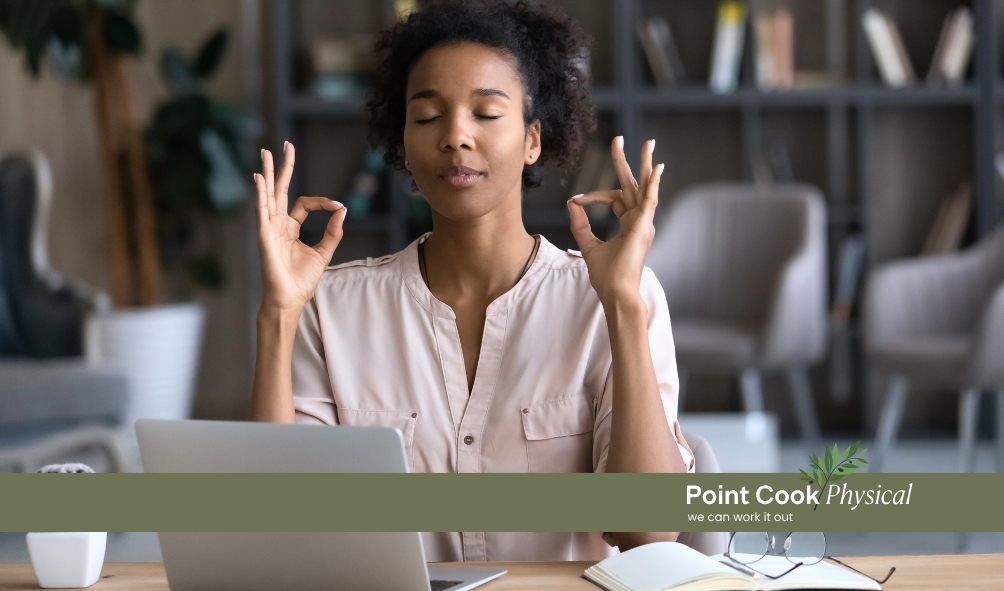
Slow, controlled breathing can help calm the nervous system and reduce muscle tension.
Simple techniques include:
- Diaphragmatic (belly) breathing
- Inhaling slowly through the nose and exhaling through the mouth
- Taking short breathing breaks during the day
These techniques may help reduce stress-related tightness and promote relaxation.
2. Movement and Exercise
Physical activity is one of the most effective stress management tools. Regular movement has been shown to support mood, improve sleep, and reduce muscle tension.
Options may include:
- Walking or gentle cardio
- Strength training
- Stretching or mobility exercises
- Yoga or Pilates
At Point Cook Physical, physiotherapy treatment and exercise programs are tailored to help people move safely while addressing stress-related tension, posture, and physical discomfort.
3. Mindfulness and Mental Reset Strategies
Mindfulness involves paying attention to the present moment without judgement. This can be particularly helpful for managing racing thoughts and emotional stress.
Practical ways to incorporate mindfulness include:
- Short guided meditations
- Taking a few moments to focus on breathing or movement
These techniques don’t require large time commitments and can be integrated into daily routines.
4. Improving Sleep Habits
Poor sleep and stress often go hand in hand. Establishing consistent sleep habits may help improve stress resilience.
Helpful strategies include:
- Keeping regular sleep and wake times
- Limiting screen use before bed
- Creating a calming bedtime routine
- Addressing physical discomfort that may interfere with sleep
If pain or muscle tension is affecting sleep, physiotherapy support may help address the physical contributors.
5. Managing Time and Daily Load
Feeling constantly “on the go” can increase stress levels. Small changes to how you manage your time may help reduce overwhelm.
This may include:
- Prioritising tasks
- Scheduling regular breaks
- Setting realistic expectations for yourself
Learning to balance activity and recovery is a key part of sustainable stress management.
How Allied Health Support Can Help With Stress
While lifestyle strategies are essential, professional support can be valuable when stress begins to impact both physical and mental health.
Allied health care can help address the way stress shows up in the body and mind, particularly when symptoms become persistent or start affecting daily life.
| Physiotherapy | Physiotherapy may help manage stress-related muscle tension, headaches, posture-related discomfort, and ongoing pain. Treatment may include hands-on techniques, movement-based rehabilitation, and education aimed at improving mobility, reducing physical strain, and supporting long-term movement confidence.[LEARN MORE] https://www.pointcookphysical.com.au/physiotherapy/ |
| Remedial Massage | Remedial massage focuses on relieving muscle tightness and soft tissue tension that can build up during periods of prolonged stress. It may assist with improving circulation, reducing muscle stiffness, and promoting relaxation, particularly for areas such as the neck, shoulders, and back.[LEARN MORE]https://www.pointcookphysical.com.au/remedial-massage/ |
| Acupuncture | Acupuncture is often used to support the body’s natural stress response. It may help promote relaxation, support nervous system regulation, and assist with symptoms such as muscle tension, headaches, and sleep disturbances. Many people find it a useful complement to other stress management strategies.[LEARN MORE] https://www.pointcookphysical.com.au/acupuncture/ |
| Psychology | Psychological support can play an important role in stress management, particularly when emotional or cognitive stressors are contributing to physical symptoms. Psychology services may help individuals develop coping strategies, manage anxious thoughts, and build resilience through evidence-based approaches such as cognitive behavioural therapy.[LEARN MORE] https://www.pointcookphysical.com.au/psychology/ |
At Point Cook Physical, care is centred on understanding how your individual physical, emotional, and lifestyle factors interact.
By taking a collaborative, multidisciplinary approach, the team aims to support patients in a way that feels personalised, balanced, and responsive to their individual needs.
Frequently Asked Questions About Stress Management
| How long does it take for stress management techniques to work? | Some techniques, such as breathing exercises, may offer short-term relief, while others provide benefits over weeks with consistency. |
| Can physical therapy help with stress-related pain? | Physiotherapy may help address muscle tension, posture issues, and movement restrictions commonly linked with stress. |
| Is exercise better than rest for stress? | Both play a role. Appropriate movement combined with adequate rest often produces the best results. |
| When should I seek professional help for stress? | If stress is contributing to ongoing pain, fatigue, or reduced quality of life, professional support may be beneficial. |
Final Thoughts
Stress is part of modern life, but it doesn’t have to take over your health or well-being. Small, consistent changes such as improving movement habits, breathing more intentionally, and seeking appropriate support can make a meaningful difference.
If stress is affecting your body through pain, tension, or reduced physical performance, the team at Point Cook Physical can help you explore personalised strategies to support both your physical and mental health.
Taking steps to manage stress today may help you move, feel, and live better in the long term.