
Have you recently undergone knee replacement surgery and found yourself overwhelmed by the rehabilitation process? Are you unsure of the best steps to take to regain your strength and mobility?
Knee replacement surgery is a significant milestone, often bringing relief from chronic pain and enhanced quality of life. However, that relief is just the beginning; to truly benefit from your new knee, effective rehabilitation is crucial. The journey of recovery can be daunting, and many individuals face challenges that can hinder their progress.
Getting back on your feet after knee surgery requires a well-structured rehab plan that combines physiotherapy, exercises, and a focus on overall well-being. It’s easy to overlook essential aspects of recovery amid the plethora of information out there. By understanding common pitfalls and best practices in post-surgical rehab, you can navigate this critical phase confidently and efficiently.
What is a knee replacement surgery?
Knee replacement surgery, also known as knee arthroplasty, is a surgical procedure to replace the damaged surfaces of the knee joint with artificial parts. The artificial joint, called a prosthesis, is made of metal alloys, high-grade plastics, and polymers.
The surgery is typically recommended for people with severe knee pain or disability that limits their daily activities and has not improved with other treatments, such as physiotherapy, medication, or injections.
Standard rehabilitation after a knee replacement surgery
Rehabilitation after knee surgery typically involves a period of physiotherapy with a focus on regaining knee mobility and strength, using assistive devices like walkers or crutches initially, gradually progressing to walking without support, and managing pain and swelling while working to achieve a full range of motion in the knee joint.
Most people will see significant improvement within a few weeks of rehab after knee surgery, but full recovery can take several months depending on individual factors and commitment to therapy exercises.
Phase 1: Immediately post-surgery (hospital stay)
- Pain management: You’ll be given medication to manage pain and swelling.
- Early knee motion: physiotherapy exercises usually start within 24 hours of surgery! This will involve:
- Simple exercises to improve blood flow and prevent blood clots.
- Learning to get in and out of bed safely.
- Starting to walk with an assistive device (walker or crutches).
- Knee immobilisation: You might have a brace or splint to protect your knee.
Phase 2: Early recovery (first few weeks at home)
- Home exercise program: Your physiotherapist will prescribe exercises to do at home. These will focus on:
- Knee straightening exercises: Increasing knee range of motion (bending and straightening).
- Strength training exercises: Strengthening the muscles around your knee (quadriceps, hamstrings).
- Improving balance and coordination.
- Knee straightening exercises: Increasing knee range of motion (bending and straightening).
- Gradual increase in activity: You’ll slowly increase your walking distance and start doing more everyday activities.
- Wound care: Proper care of your incision to prevent infection is essential.
Phase 3: Ongoing recovery (weeks to months after surgery)
- Continued physiotherapy exercises: You’ll continue to do knee-strengthening exercises to further improve strength, flexibility, and endurance.
- Functional outcomes: Your physiotherapist will help you regain the ability to do activities important to you, such as climbing stairs, getting in and out of chairs, and even a low-impact sports activity.
Benefits of post-surgical rehab for a knee replacement
- Pain management: Physiotherapy techniques like massage, ice therapy, and electrical stimulation can help alleviate post-surgical knee pain.
- Improved range of motion: Exercises specifically designed to increase knee flexion and knee extension help restore natural joint flexibility.
- Muscle strength: Strengthening exercises target the quadriceps, hamstrings, and other muscles surrounding the knee, improving stability and function.
- Reduced risk of post-operative complications: Regular physiotherapy can help prevent complications such as stiffness, blood clots, and muscle atrophy.
- Faster recovery: Early mobilisation and a structured exercise program can accelerate the recovery process and enable a quicker return to daily activities.
- Enhanced functional ability: Physiotherapy focuses on improving activities of daily living, such as walking, climbing stairs, and getting in and out of chairs.
- Improved balance and stability: Exercises that challenge balance and coordination help reduce the risk of falls and improve overall mobility.
- Long-term benefits: Continued physiotherapy can help maintain strength, flexibility, and function in the years following surgery, ensuring the long-term success of the knee replacement.
In essence, post-operative physiotherapy is crucial for optimising the outcome of knee replacement surgery. It empowers individuals to regain mobility, reduce pain, and enhance their overall quality of life.
Final thoughts
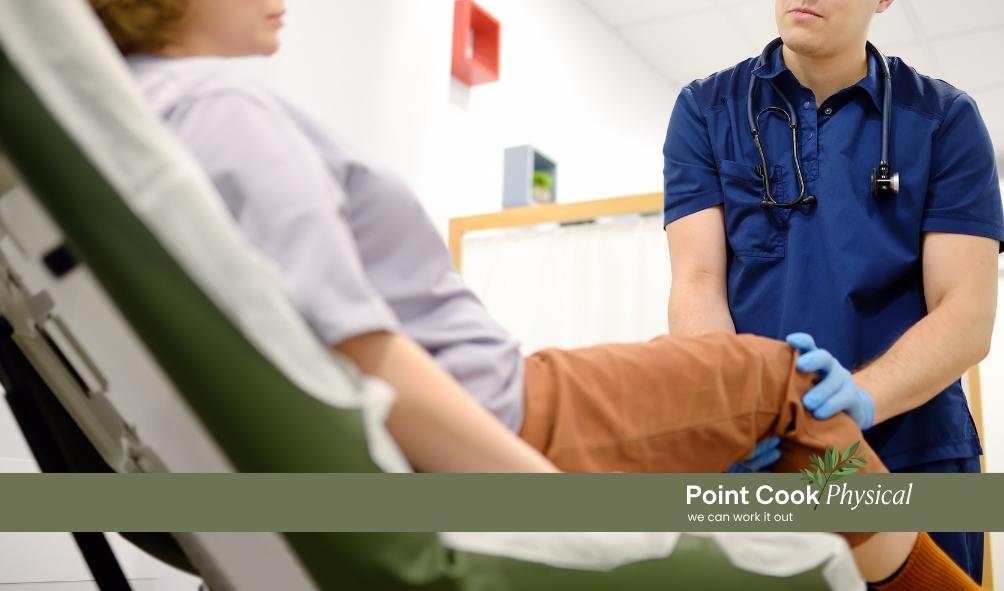
Engaging fully in post-operative physiotherapy is vital. Your therapist will tailor a program that meets your unique needs, targeting specific areas of strength, flexibility, and functionality based on your knee movement.
Many individuals experience feelings of frustration or depression post-surgery due to limited mobility and severe pain. A structured rehab program not only helps functional recovery but also significantly boosts mental well-being by allowing you to set and achieve short-term goals.