Pain can be a debilitating experience, often impacting our daily lives and overall well-being. While there are numerous conventional treatments available, many individuals are increasingly turning to alternative therapies for relief. One such approach that has gained significant attention is acupuncture.
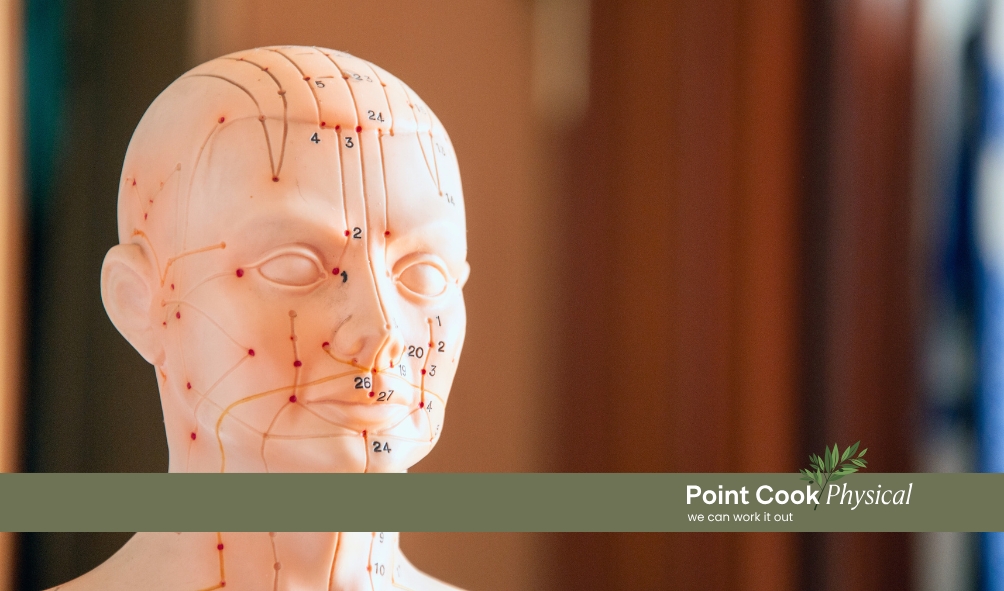
Rooted in Traditional Chinese Medicine, acupuncture involves the insertion of thin, sterile needles into specific points on the body to promote healing and restore balance. This age-old practice has garnered a reputation for its effectiveness in managing various types of pain, from chronic musculoskeletal issues to headaches and nerve-related discomfort.
As interest in alternative therapies continues to grow, acupuncture remains a prominent option for those seeking relief from pain and a greater sense of balance and well-being. With its rich history and expanding body of research, acupuncture offers a compelling alternative for individuals seeking to take control of their health in a natural, non-invasive manner.
How acupuncture works for pain relief
Acupuncture is thought to relieve pain through a combination of mechanisms that affect the body’s nervous, musculoskeletal, and biochemical systems. Acupuncture involves inserting thin, sterile needles into specific points on the body.
Traditional Chinese Medicine (TCM) theory
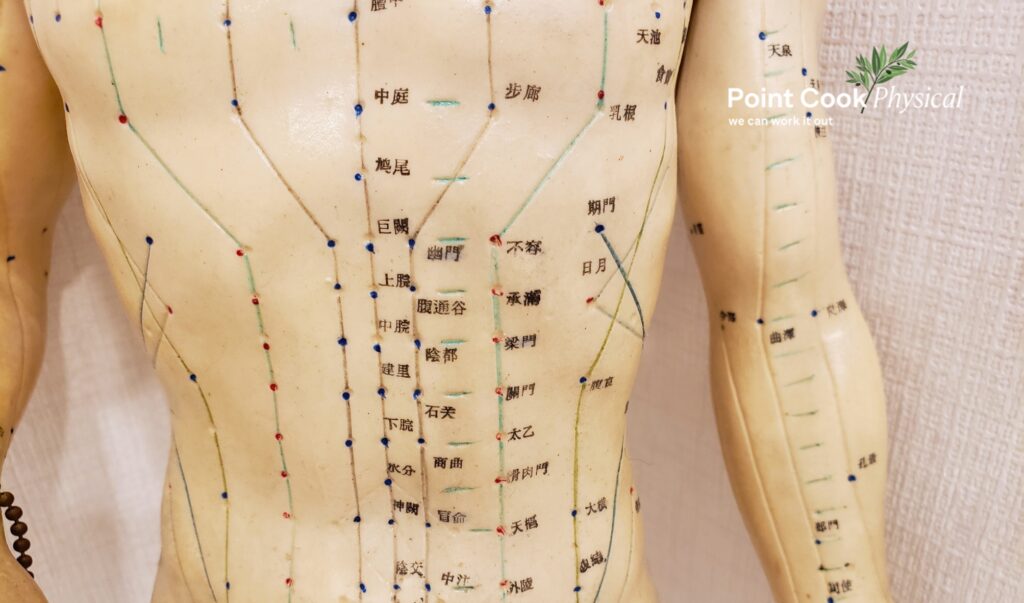
- Qi and meridians: TCM views the body as an interconnected system where a vital life force, or Qi (pronounced “chee”), flows through channels called meridians.
- Restoring balance: Pain and illness are believed to occur when the flow of Qi is blocked or imbalanced. By stimulating specific acupuncture points along these meridians, a practitioner aims to restore the free flow of Qi, thus alleviating pain and promoting healing.
While Traditional Chinese Medicine (TCM) explains acupuncture as balancing the flow of vital energy, or Qi (pronounced “chee”), through pathways called meridians, modern Western medicine offers several scientific explanations for its effects:
1. Stimulation of natural painkillers
- Endorphins and enkephalins
When fine needles are inserted into specific points, they stimulate sensory nerves in the muscles and under the skin. This signal travels to the brain and central nervous system, prompting the release of the body’s natural opioid-like chemicals, such as endorphins and enkephalins. These substances act as powerful, natural painkillers, reducing the perception of pain.
- Neurotransmitter modulation
Acupuncture is also believed to modulate other neurotransmitters and neuropeptides, including serotonin, dopamine, and noradrenaline, which are involved in pain transmission, mood, and stress regulation.
2. Neurological and central nervous system effects
- “Gate control” theory: The stimulation from the needles may help block pain signals from reaching the brain via the spinal cord, a concept related to the gate control theory of pain.
- Descending pain modulation: It activates the descending pain modulation system in the brain, which sends signals down the spinal cord to inhibit the transmission of pain signals from the peripheral nerves.
- Brain activity: Functional brain imaging studies suggest that acupuncture can impact activity in specific brain areas associated with pain and emotion, essentially “resetting” how the brain processes pain and promoting relaxation.
3. Local and peripheral effects
- Increased blood flow: Needling can cause a localised increase in blood circulation at the site of insertion. Improved blood flow helps deliver oxygen and nutrients and removes inflammatory compounds, which can aid in healing and reduce pain.
- Muscle relaxation: By stimulating nerves and connective tissues (fascia), acupuncture can help trigger muscle relaxation and reduce muscle stiffness and tension, which are often significant contributors to chronic pain.
- Anti-inflammatory response: Acupuncture may also regulate the release of certain pro-inflammatory cytokines and other substances, contributing to an overall anti-inflammatory effect.
Pain conditions treated by acupuncture
- Chronic musculoskeletal pain: This is one of the most common reasons people seek acupuncture.
- Chronic low back pain (acupuncture is often a recommended first-line, non-drug option).
- Neck pain and shoulder pain.
- Knee osteoarthritis (acupuncture can help reduce joint pain and stiffness).
- Myofascial pain syndrome (pain related to muscle and connective tissue, involving “trigger points”).
- Headaches and migraines
- Chronic tension-type headaches (acupuncture may reduce the frequency and severity).
- Migraine headaches (It is often recommended for prophylaxis, or prevention).
- Nerve-related pain
- Sciatica (Pain radiating down the leg due to sciatic nerve compression or irritation).
- Neuropathic pain (pain caused by nerve damage, such as diabetic neuropathy).
- Other pain conditions
- Postoperative pain (pain following surgery).
- Fibromyalgia (acupuncture may help with pain, sleep, and energy levels).
- Joint and muscle pain (in general, including conditions like temporomandibular joint (TMJ) dysfunction, or jaw pain).
- Menstrual pain (primary dysmenorrhea).
- Cancer-related pain.
Final thoughts
Acupuncture acts as a form of neuromodulation, using the insertion and manipulation of needles to stimulate the nervous system to initiate the body’s own pain-relieving and regulatory processes.
In addition to pain relief, acupuncture has been associated with various other health benefits, including reduced stress and anxiety, improved sleep quality, and enhanced immune function.
This holistic approach recognises that the body is interconnected, and addressing one area can positively influence overall health.
Book an appointment with an Allied Health professional atPoint Cook Physicalfor a multi-disciplinary approach to a healthy mind and body.