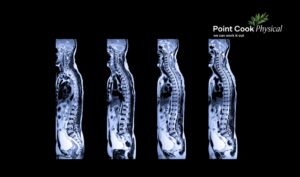

Do you find yourself dealing with persistent aches and pains with no clear cause? Have you considered that your posture might be the silent culprit behind your discomfort?
In today’s fast-paced, technology-driven world, we often overlook the importance of maintaining proper posture. From hours spent hunched over desks to constantly staring down at our phones, our posture takes a backseat, quite literally! This negligence can result in chronic pain that feels mysterious and challenging to diagnose. Studies have shown that poor posture can be a root cause of a plethora of health issues, including back, neck, and shoulder pain.
Understanding the intricate connection between posture and pain is crucial for leading a pain-free life. Recognising and correcting poor habits can lead to noticeable improvements in your overall well-being.
Is there a link between posture and pain?
Yes, there is a significant link between posture and pain. Poor posture can contribute to and worsen various types of pain, while good posture can help prevent and alleviate discomfort.
Key ways posture and pain are connected
1. Muscle imbalances
When you consistently hold your body in a less-than-ideal position, certain muscles become overactive and tight, while others become weak and underutilised. For instance, someone who slouches at a desk might develop tight chest muscles and weak upper back muscles. This imbalance can lead to pain as the body tries to compensate.
2. Increased stress on joints and ligaments
Poor posture can place abnormal stress on your joints, ligaments, and discs. Imagine constantly bending a wire in the same spot—eventually, it will weaken and potentially break. Similarly, sustained bad posture can accelerate wear and tear on your joints, contributing to conditions like osteoarthritis and back pain.
3. Nerve compression
Misalignment in the spine due to poor posture can sometimes compress or irritate nearby nerves. This can result in pain that radiates to other parts of the body, such as sciatica (pain down the leg due to sciatic nerve compression) or numbness and tingling in the arms and hands.
4. Reduced circulation
Slouching or hunching can restrict blood flow and lymphatic drainage. This can lead to muscle fatigue and stiffness, and even contribute to headaches.
5. Impact on breathing
Surprisingly, your posture can even affect your breathing! A slumped posture can compress your rib cage, limiting the expansion of your lungs and potentially leading to shallow breathing and associated discomfort.
6. Headaches
Tension in the neck and upper back muscles due to poor posture can trigger tension headaches.
7. Disc compression
Sustained poor posture can compress the spinal discs, reducing their ability to absorb shock and increasing the risk of herniation and nerve compression, which can cause radiating pain like sciatica.

Common postural issues and related pain
- Forward head posture: Often seen in people who spend a lot of time looking at screens, this can lead to neck pain, headaches, and even jaw pain.
- Rounded shoulders and kyphosis (excessive rounding of the upper back): This can cause upper back and neck pain, as well as restrict breathing.
- Swayback (excessive inward curve of the lower back): This can contribute to lower back pain and hamstring tightness.
- Pelvic tilt issues (anterior or posterior): These can affect the alignment of the spine and lead to lower back, hip, and knee pain.
Physiotherapy treatment for posture correction and pain relief
Poor posture can lead to various musculoskeletal issues, including back pain, neck, and shoulder pain. Physiotherapists employ a range of techniques to address these issues, thereby improving alignment and alleviating discomfort.
The initial step in physiotherapy for posture correction involves a thorough assessment, identifying areas of muscle weakness or imbalance contributing to poor posture. Once identified, a personalised treatment plan is crafted.
This may include targeted exercises to strengthen weak muscles, enhance flexibility, and realign the body. Core strengthening exercises, such as planks or pelvic tilts, are often emphasised to support the spine.
Besides exercise, manual therapy techniques like massage and joint mobilisation are integral. These methods help release muscle tension, improve circulation, and enhance joint mobility, contributing to pain relief.
Educating patients about ergonomic principles, posture awareness, and daily habits is also crucial, empowering them to maintain correct posture beyond therapy sessions.
Advanced techniques like dry needling and ultrasound therapy may be employed for specific pain relief. By combining these various strategies, physiotherapy not only corrects posture but also significantly reduces chronic pain, enhancing overall well-being and physical function.

Final thoughts
Maintaining a generally aligned posture and avoiding prolonged periods of poor posture is widely recommended for pain prevention and overall musculoskeletal health.
Collaborating with a qualified Point Cook physiotherapist can help you acquire the knowledge, skills, and personalised treatment necessary to improve your posture, alleviate pain, and enhance your overall well-being.
Your posture could be the missing link in your journey to a pain-free life.
Book an appointment with a Point Cook Physiotherapist for a multi-disciplinary approach to a healthy mind and body.